
Everyone wants the same thing: a yard that looks great and doesn’t eat their weekends. The good news is that a beautiful, low-maintenance landscape is absolutely achievable in Johnson County but it comes from smart design and the right plants, not from doing less. One honest truth up front, straight from Kansas State Extension: there’s no such thing as a maintenance-free landscape, because plants are living things that need some care. The goal is to enjoy a great-looking yard with far lower physical inputs. This guide covers exactly how to do that the design principles that cut work, the toughest low-care plants for our climate and clay, and the HOA reality you need to plan around. When you want it designed and installed to be easy from day one, our professional landscape design and installation builds low-maintenance yards backed by a one-year warranty on new plantings.
THE SHORT ANSWER
Design smart: group plants into beds with sweeping edges, skip fussy features (formal hedges, high-care water features), and mulch heavily. Choose tough plants: native and drought-tolerant varieties suited to Johnson County clay. Right plant, right place: match mature size and water needs so nothing crowds or struggles. HOA note: Leawood, OP, and Lenexa often require 50–60% turf plan a healthy turf panel plus low-care beds.
The design principles that actually cut the work
Low maintenance starts with design, not plant shopping. Kansas State Extension’s guidance for Johnson County is refreshingly simple: keep it simple, and design with less maintenance in mind. Here are the principles that make the biggest difference:
- Group plants into beds with sweeping edges. Scattered, randomly placed plants mean more edging, more trimming, and more mowing around obstacles. Consolidating plantings into clean, curved beds cuts work dramatically it’s the single best tip Extension gives.
- Cut down on turf you don’t use. Lawn is the highest-maintenance surface in most yards. Replacing hard-to-mow strips, steep slopes, and awkward corners with beds, rock, or ground cover reduces mowing, trimming, and reseeding.
- Ditch the fussy features. Formal hedges need constant shearing; high-maintenance water features need upkeep; fences add edging. Keeping the design simple removes recurring chores.
- Mulch everything. A good mulch layer suppresses weeds and holds moisture, cutting two of the biggest recurring tasks. It’s low-maintenance’s best friend.
- Design for the future. A plant’s mature size matters more than its nursery size. Spacing for how big things get in 5–10 years avoids the overcrowding and constant pruning that overgrown yards demand.
Do these five things and you’ve cut the workload before you’ve chosen a single plant. Higher-maintenance, high-impact plants can still go in just concentrate them in a few high-visibility spots like the front entry, not across the whole yard.
The best low-maintenance plants for Johnson County
Once the design is right, tough, adapted plants keep the upkeep low. Native and drought-tolerant varieties need less water, less feeding, and less babysitting in our clay and climate:
| Type | Low-maintenance picks | Why |
|---|---|---|
| Shrubs | Boxwood, juniper, spirea, potentilla, ninebark | Tough, adaptable, little pruning; junipers are near plant-and-forget |
| Perennials | Coneflower, black-eyed Susan, catmint, sedum, daylily, Russian sage | Native/drought-tolerant; come back yearly with minimal care |
| Grasses | Feather reed grass, switchgrass, little bluestem | Native, drought-tolerant, four-season interest, cut back once a year |
| Ground covers | Creeping sedum, native ground covers | Crowd out weeds; reduce mulch and mowing |
The general rule: choose native and Kansas-adapted plants over fussy non-natives that were never suited to our climate. They’re the difference between a yard that thrives on neglect and one that constantly needs rescuing which is exactly why so many DIY landscapes struggle.
Want a yard that looks great with less work? We’ll design it that way from the start. Get a free landscape consultation or call (913) 829-4949.
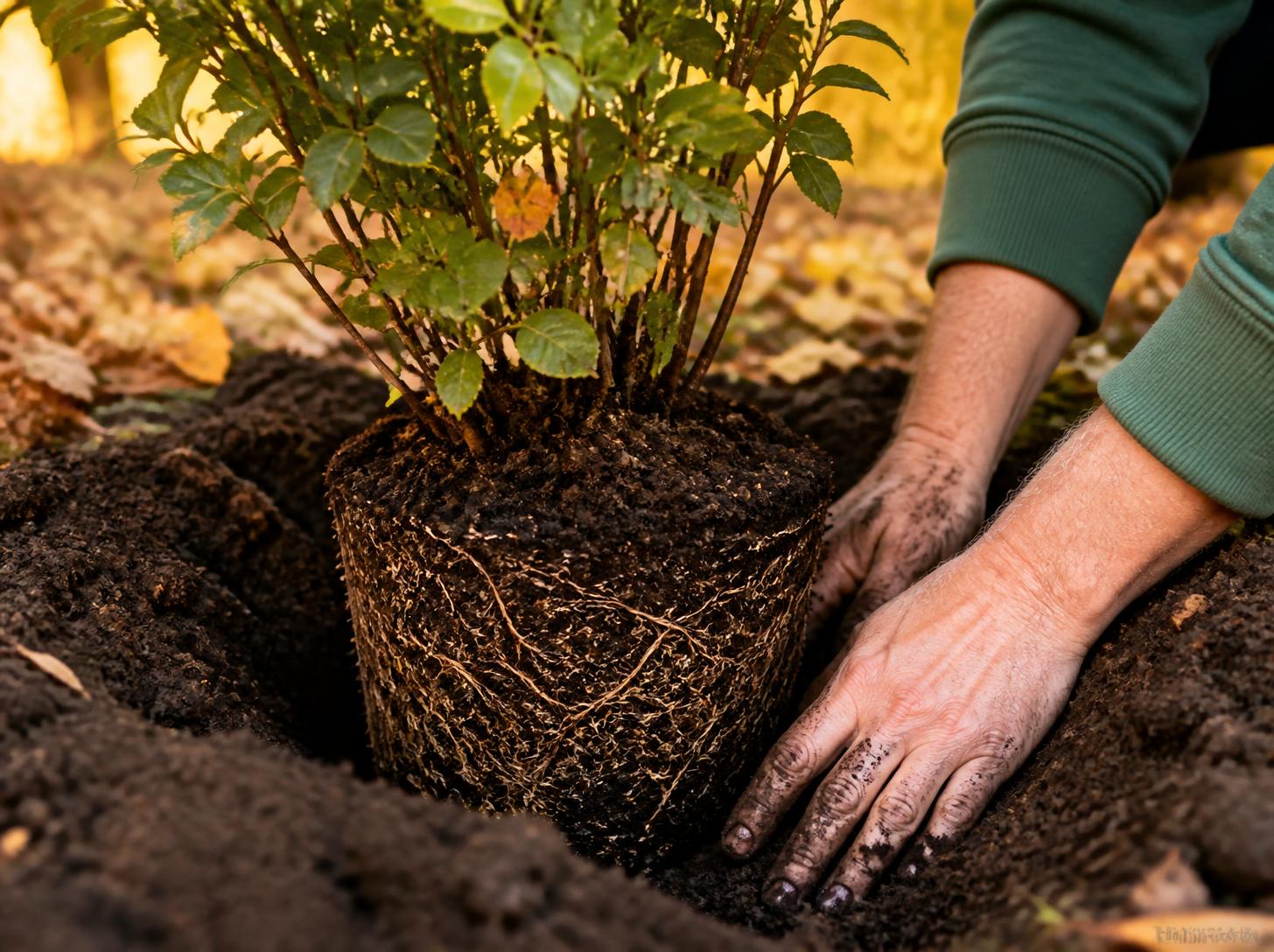
Low-maintenance alternatives to lawn and beds
Some of the biggest maintenance savings come from replacing high-care areas with low-care features especially the spots where grass always struggles:
- Rock beds and rock gardens. For hard-to-mow strips, side yards, and drainage-prone areas, rock beds to replace hard-to-mow areas are essentially permanent and nearly maintenance-free.
- Native plant beds. Rather than fighting to grow grass in a tough spot, a bed of drought-tolerant natives turns a problem area into a low-care feature.
- Expanded mulch beds. Enlarging beds and mulch to cut weeds and watering around trees and along borders reduces the lawn you have to maintain.
- Simple hardscape. A wider patio or a stone path replaces turf with a surface that never needs mowing (and adds usable space).
The pattern: identify the areas that cost you the most time and lowest reward the strip you hate mowing, the corner grass won’t grow and convert them into something that takes care of itself.
The HOA reality in Johnson County
One local wrinkle worth planning around: many Johnson County HOAs particularly in Leawood, Overland Park, and Lenexa require a minimum percentage of turf coverage in front yards, often around 50 to 60 percent, and may restrict how much you can convert to beds or rock. So the fully xeric, no-grass look isn’t always an option here. The smart approach that satisfies both goals: keep a healthy turf panel in the center of the front yard to meet coverage rules, and cluster your low-maintenance beds near the house and along the edges. Always check your covenants (look for the ‘landscaping standards’ section) and submit plans for approval before removing sod. A landscaper who works in Johnson County HOAs regularly can help you design something that’s low-maintenance and compliant.
Keep the turf you do have low-maintenance too
Since you’ll likely keep a turf area by choice or by HOA rule the lowest-maintenance lawn is a healthy, dense one. A thick stand of tall fescue crowds out weeds (less spraying), resists drought and disease (less rescue), and simply needs less intervention than a thin, struggling lawn. The most effective way to keep it that way is to keep the turf panel thick with aeration and overseeding each fall relieving compacted clay and thickening the turf so it takes care of itself. A low-maintenance landscape and a well-kept turf panel go together: the beds cut the work, and a dense lawn keeps the grass you kept from becoming a chore.
Beds that cut the work, turf that stays thick designed together. Get a free landscape consultation or call (913) 829-4949.
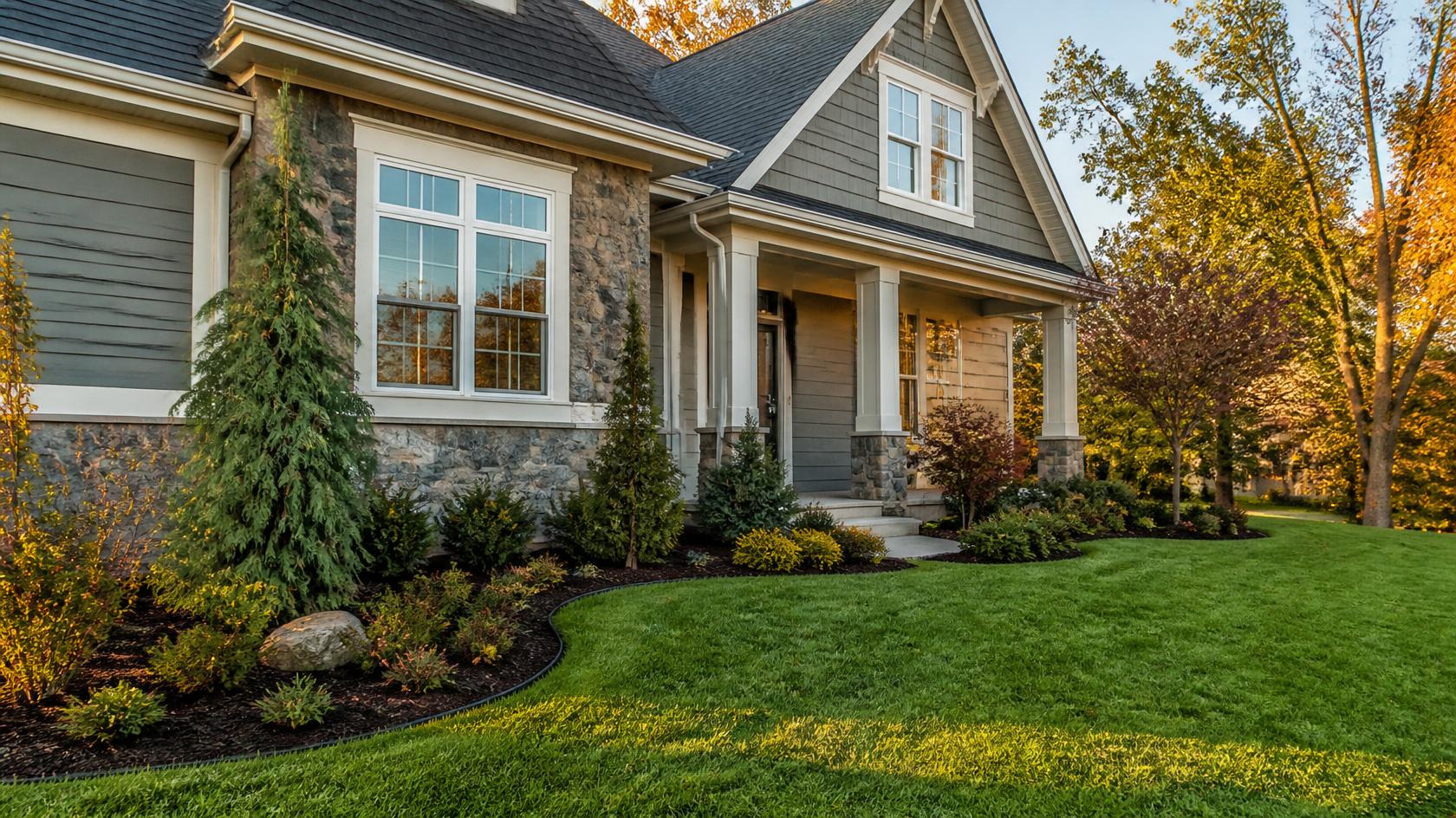
Why Overland Park homeowners choose MW Lawn & Landscape
A truly low-maintenance yard is designed that way and after 25+ years in Johnson County, we know how to build one:
- We design for less work. Consolidated beds, tough adapted plants, mulch, and smart lawn reduction the principles that actually cut upkeep, not just a plant list.
- We know the HOA rules. We design low-maintenance yards that still meet Johnson County turf-coverage requirements, so you get easy-care and compliant.
- We plant what thrives on neglect. Native and drought-tolerant varieties suited to our clay and climate so your yard flourishes with minimal input.
- One team, whole yard. Design, install, rock, mulch, and keep the turf panel thick with aeration and overseeding handled together, backed by a one-year warranty on new plantings.
- Family-owned, licensed, and insured, serving Overland Park and Johnson County since 2000.
Serving Overland Park, Lenexa, Olathe, and Johnson County
MW Lawn & Landscape designs and installs low-maintenance landscapes across Overland Park, Lenexa, Olathe, and the surrounding Johnson County communities easy-care, HOA-friendly, and backed by a one-year warranty on new plantings. You can have a yard that looks great without giving up your weekends. We’ll design it smart, plant it tough, and set it up to take care of itself the way we have for local homeowners since 2000.
Frequently Asked Questions
How do I make my landscaping low maintenance?
Start with design, not plants. Group plantings into beds with sweeping edges to cut edging and mowing, reduce turf in hard-to-maintain areas, skip fussy features like formal hedges and high-care water features, and mulch heavily to suppress weeds and hold moisture. Then choose tough, native, drought-tolerant plants suited to Johnson County’s clay, and space them for their mature size. Smart design does more than any single plant choice.
What are the best low-maintenance plants for Kansas City?
Tough, adapted plants that thrive on neglect: boxwood, juniper, spirea, and potentilla among shrubs; coneflower, black-eyed Susan, catmint, sedum, daylily, and Russian sage among perennials; and native grasses like feather reed grass, switchgrass, and little bluestem. These native and drought-tolerant choices need less water, feeding, and pruning in our climate and clay than fussy non-natives.
Is there such a thing as maintenance-free landscaping?
No Kansas State Extension is clear that there’s no truly maintenance-free landscape, because plants are living things that need some care. The realistic goal is low-maintenance: a beautiful yard that needs far less physical work. You achieve it through smart design (consolidated beds, less turf, mulch) and tough, adapted plants, not by eliminating care entirely. Even rock and hardscape need occasional attention.
Can I replace my lawn with low-maintenance landscaping in Johnson County?
Partly, but check your HOA first. Many Johnson County HOAs especially in Leawood, Overland Park, and Lenexa require a minimum of about 50 to 60 percent turf coverage in front yards and may restrict rock or xeric installations. The best approach is to keep a healthy turf panel to meet the rule and cluster low-maintenance beds near the house and edges. Read your covenants and submit plans before removing sod.
What’s the lowest-maintenance ground cover for a lawn area?
For areas where grass struggles or you want less mowing, rock beds, native plant beds, expanded mulch beds, and low-growing ground covers like creeping sedum all cut maintenance. Where you keep turf, a dense stand of tall fescue is the lowest-maintenance lawn because it crowds out weeds and resists drought and disease keeping it thick with fall aeration and overseeding is the key.
How do I keep my remaining lawn low-maintenance?
Keep it thick and healthy a dense lawn is the lowest-maintenance lawn because it naturally crowds out weeds and resists drought and disease, so it needs less intervention. The most effective step is aerating and overseeding each fall to relieve compacted clay and thicken the turf, along with proper mowing height (around 3.5 inches for tall fescue) and a sensible fertilization program.
Does low-maintenance landscaping look boring?
Not at all. Keeping the design simple doesn’t mean dull native grasses add movement, drought-tolerant perennials like coneflower and Russian sage bring season-long color, and clean bed lines look intentional and polished. In fact, curvy, naturalized designs that use plants’ natural shapes are both easier to maintain and more attractive than fussy, over-manicured landscapes. You can concentrate a few higher-impact plants at the entry for extra curb appeal.
Do you guarantee low-maintenance plantings?
Yes MW Lawn & Landscape backs new plantings with a one-year warranty. Because we design for low maintenance and choose plants suited to Johnson County’s clay and climate, our landscapes are built to thrive with minimal input. The warranty removes the risk of investing in an easier-care yard if a plant doesn’t make it, we make it right.