
The trees and shrubs around your home are easily the most valuable living things on the property a mature shade tree or an established foundation planting represents years of growth and thousands of dollars you can’t simply buy back at the garden center. Yet they’re also the part of the landscape most homeowners never actively care for, right up until something goes wrong. Fall is the season to change that. A professional tree & shrub treatment program in Olathe built around this time of year protects that investment through winter and sets it up to thrive next spring.
Here’s why fall matters so much for woody plants, what a real tree and shrub care program includes, the Kansas City threats it guards against, and how it protects the value sitting in your yard.
THE SHORT ANSWER Tree and shrub care often called plant health care is a season-long program that keeps woody plants healthy: dormant oil in early spring, insect and mite control through the season, disease control, and deep-root fertilization in fall. Fall is the priority because roots keep growing after top growth stops, so a fall deep-root feeding stores energy for a stronger spring. Catching pests and disease early with a program costs far less than replacing a dead tree. |
Why Fall Is the Most Important Season for Trees and Shrubs
It’s easy to assume plants shut down in fall, but the opposite is true below ground. Once the top growth slows and the leaves turn, trees and shrubs shift their energy to the roots and in Kansas City, roots keep growing well into late fall, as long as the soil stays workable. That makes fall the single best window to feed them.
A fall deep-root fertilization reaches the plant exactly when it can use the nutrients most: to build a stronger root system now and bank energy for the burst of growth next spring. Plants that go into winter well-fed are more drought-tolerant, more disease-resistant, and greener when they leaf out. Skip it, and a stressed plant limps into spring already behind.
What a Tree & Shrub Care Program Includes
Real plant health care is a season-long program, not a single spray when something looks sick. A proper program follows the plants through the year:
| Timing | Treatment | What it does |
|---|---|---|
| Early spring | Dormant oil | Smothers overwintering mites, scale, and insect eggs before they hatch |
| Spring–summer | Insect & mite control | Targeted treatment for the specific pests active that season |
| Growing season | Disease control | Preventive and curative fungicide for the diseases common here |
| Fall | Deep-root fertilization | Injected into the root zone to build roots and store energy for spring |
The other half of a good program is diagnosis. A quality provider inspects at each visit and checks the environmental causes first planting depth, mulch, drainage because many ‘disease’ problems are really a plant planted too deep or mulched against the trunk. Treating the cause beats spraying the symptom. 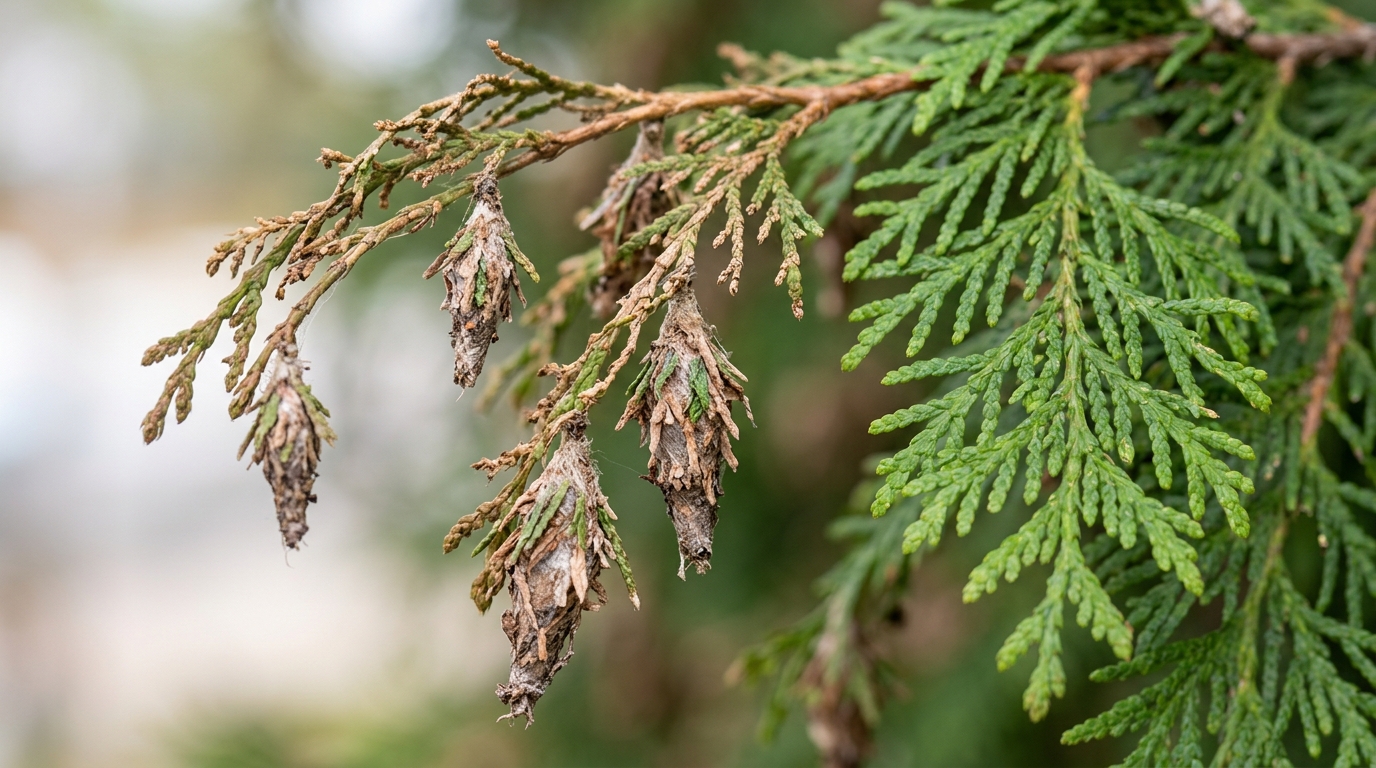 Fall Deep-Root Fertilization: the Fall Priority
Of the four program steps, deep-root fertilization is the one that belongs specifically to fall. Instead of scattering granules on the surface where lawn grass grabs most of it the nutrients are injected under pressure directly into the root zone, six to eight inches down where the feeder roots live. That gets the food to the plant rather than the turf above it.
The timing is the point. A fall feeding lands while roots are still active but top growth has stopped, so the plant stores the nutrients rather than pushing tender new growth that winter would kill. It’s the difference between a tree that merely survives winter and one that comes out of it ready to grow.
| Protect your trees and shrubs before winter. A fall deep-root feeding sets up a stronger, healthier spring. Ask about our tree & shrub treatment program in Olathe, request a free quote or call (913) 829-4949. |
The Tree & Shrub Threats Common in Kansas City
Part of what a program guards against is a short list of pests and diseases that are predictable here in Johnson County. Knowing them is half the battle:
| Threat | What it attacks | Why it matters here |
|---|---|---|
| Bagworms | Evergreens (especially spruce, juniper, arborvitae) | Can defoliate and kill an evergreen in a season if untreated |
| Japanese beetles | Lindens, roses, many ornamentals | Skeletonize leaves in mid-summer; larvae are lawn grubs |
| Emerald ash borer | Ash trees | Fatal to untreated ash; established across the KC metro |
| Needle cast / evergreen disease | Spruce and other evergreens | Causes needle drop and thinning a common look of ‘dying’ spruce |
| Scale & mites | Shrubs and ornamentals | Overwinter on the plant; dormant oil in spring is the control |
The evergreens get hit hardest here between bagworms and evergreen / needle cast disease treatment, a spruce or arborvitae that looks fine today can thin out fast without protection. A program catches these on the inspection, before the damage is permanent.
Why a Program Beats Waiting for Something to Die
The expensive way to handle trees and shrubs is to do nothing until a plant is clearly failing, then try to save it or replace it. By the time a tree shows obvious decline, the problem has usually had a full season or more to set in, and the odds of a full recovery drop. A program flips that: regular inspection catches pests and disease while they’re treatable, and consistent feeding keeps plants vigorous enough to shrug off stress in the first place.
The math is simple. A season of plant health care is a fraction of the cost of removing a dead mature tree and planting a replacement that takes fifteen years to fill back in. For high-value evergreens and specimen trees, the program is cheap insurance on something you can’t quickly replace.
Your Landscape Is Part of Your Home’s Value
Mature, healthy trees and well-kept shrubs aren’t just curb appeal they’re real value. A healthy canopy and established plantings are among the first things buyers notice, and a yard full of struggling or dead plants reads as deferred maintenance on the whole property. Protecting your trees and shrubs protects the money already sitting in your landscape, and it keeps the front of your home looking cared-for year-round.

Fall Is Root Season for the Whole Yard
The same logic that makes fall the right time to feed your trees applies to the lawn. Fall is when cool-season grass and woody plants both put their energy into roots, which is why it’s the best season to invest in the whole landscape at once. If you’re already planning fall aeration and overseeding for the lawn, folding in a deep-root feeding for the trees and shrubs the same season means your entire yard goes into winter strong and comes out of it ahead.
| One fall visit for the whole landscape. Deep-root feeding for the trees and shrubs, aeration and overseed for the lawn before winter. Request a free quot or call (913) 829-4949. |
Why Overland Park Homeowners Choose MW Lawn & Landscape
Plant health care rewards a team that knows the plants and shows up on schedule:
- 25+ years in Johnson County. We know which pests and diseases hit our area, and when so treatment is timed to the threat, not guessed.
- Diagnose first, treat second. We check the environmental causes planting depth, mulch, drainage before reaching for a spray, so you’re not paying to treat a symptom.
- A full seasonal program. Dormant oil, insect and disease control, and fall deep-root fertilization the whole year handled by one team.
- One call for the whole yard. Trees, shrubs, lawn, and irrigation we care for the entire property, so nothing falls through the cracks.
Family-owned, licensed, and insured, serving Overland Park and Johnson County since 2000.
Serving Overland Park, Lenexa, Olathe, and Johnson County
MW Lawn & Landscape provides tree and shrub care across Overland Park, Lenexa, Olathe, and the surrounding Johnson County communities. Whether it’s a fall deep-root feeding, protecting your evergreens, or a full season-long program, we’ll keep your landscape healthy and valuable. Request a free quote or call (913) 829-4949.
Frequently Asked Questions
When should I fertilize my trees and shrubs?
Fall is the best time. After top growth stops, trees and shrubs shift their energy to the roots, which keep growing into late fall here in Kansas City. A fall deep-root fertilization feeds the plant exactly when it stores the nutrients for a strong spring rather than pushing tender new growth that winter would kill.
What does tree and shrub care include?
A full program includes dormant oil in early spring to kill overwintering pests, targeted insect and mite control through the season, disease control with fungicide, and fall deep-root fertilization. A good provider also inspects at each visit and checks environmental causes planting depth, mulch, drainage before treating.
What is deep-root fertilization?
Deep-root fertilization injects nutrients under pressure directly into the root zone, six to eight inches down where the feeder roots are instead of spreading granules on the surface where lawn grass grabs most of it. It gets the food to the tree or shrub, and done in fall it builds roots and stores energy for spring.
Why are my evergreens turning brown or thinning?
In Kansas City, the usual culprits are bagworms stripping the foliage or a needle cast disease causing needle drop both common on spruce, juniper, and arborvitae. A plant health program catches these on inspection and treats them before the damage is permanent, since a badly defoliated evergreen often can’t recover.
Is tree and shrub care worth the cost?
For established and high-value plants, yes. A season of care is a small fraction of the cost of removing a dead mature tree and replacing it with something that takes fifteen years to fill back in. Catching pests and disease early, and keeping plants well-fed, is far cheaper than replacement.
How often do trees and shrubs need treatment?
A typical program runs several timed visits across the year dormant oil in early spring, insect and disease control through the growing season, and deep-root fertilization in fall. The exact schedule depends on your plants and the pressures on your property. The point is consistency, not a single annual spray.
Can I do tree and shrub care myself?
You can handle the basics proper watering, correct mulching (not piled against the trunk), and removing obvious bagworm bags by hand. Professional care adds value on diagnosis, properly timed treatments, deep-root fertilization equipment, and the license-restricted products needed for pests like emerald ash borer.
Do you treat trees and shrubs in Overland Park and the rest of Johnson County?
Yes. We provide tree and shrub care across Overland Park, Lenexa, Olathe, and the surrounding communities from fall deep-root fertilization to pest and disease control and full season-long programs. Call (913) 829-4949 for a free evaluation of your trees and shrubs.