
Now accepting new clients for the season. Request your consultation today. 

Japanese Beetle Treatment in Olathe, KS

Japanese beetles skeletonize roses, lindens, fruit trees, and shrubs across Olathe, Overland Park, Lenexa, and Johnson County every summer and the traps sold to stop them actually make it worse. MW Lawn & Landscape protects your plants the way that works: systemic treatment applied ahead of the beetles and targeted sprays when they’re active, applied responsibly around pollinators. Licensed applicators, 25+ years local.

Request Japanese Beetle Treatment

About This Service

Professional Japanese Beetle Treatment in Olathe & Johnson County KS

Japanese beetles are often called the worst landscape pest in America, and they earn it two ways. In summer, the metallic-green adults swarm in and skeletonize leaves chewing everything between the veins on roses, lindens, fruit trees, and hundreds of other plants until the foliage looks like lace. Then those same beetles lay their eggs in your lawn, and the eggs become the white grubs that eat grass roots in late summer. One insect, two completely different problems, and they need to be handled separately.

This service is about protecting your trees, shrubs, and garden from the adult beetles. The most effective approach for a valued tree or shrub is a systemic treatment but here’s the catch most people don’t know: it takes several weeks to move up through a large tree, so it has to go on well ahead of when the beetles show up, not after the damage starts. For active infestations we use targeted sprays. What we won’t do is sell you a trap because pheromone traps draw more beetles into your yard than they catch. For the lawn-grub side of the problem, see our grub control service

We Treat Ahead of the Beetles

Systemic protection takes weeks to reach the leaves of a large tree, so we plan and apply before the June emergence not after your roses are lace.

No Traps, No Gimmicks

Pheromone traps attract more beetles to your yard than they catch. We use methods that actually reduce damage, not ones that increase it.

The Right Method for the Plant

Systemic for trees and shrubs, targeted sprays for active swarms, organic options where they fit matched to the plant and the situation.

Applied Around Pollinators

Beetle products can harm bees. We avoid treating flowering plants in bloom and follow label restrictions including plants like linden where certain products aren’t allowed.

What's Included

What’s Included in Our Japanese Beetle Treatment

The right method at the right time not a trap and a prayer

Plant & Infestation Assessment

We identify which plants are being hit and how badly, and plan the treatment around your specific trees, shrubs, and garden.

Systemic Tree & Shrub Protection

Soil-applied systemic treatment that moves up into the plant to protect valued trees and shrubs applied ahead of beetle season so it’s ready in time.

Targeted Contact Sprays

Direct treatment for active infestations, knocking down the adults that are feeding right now

Organic Options

Where it fits, a naturally derived option (Btg) that’s effective on adults and easy on beneficial insects.

Pollinator-Safe Application

We protect bees by avoiding flowering plants in bloom and following all label restrictions on sensitive species.

Lawn Grub Referral

Seeing beetles now often means grubs later we’ll flag whether your lawn needs grub control as a separate treatment.

COMMON PROBLEMS

Beetles Wrecking Your Plants? Skip the Traps.

The ash-tree situations Johnson County homeowners bring us and how we handle each honestly.

Common Problems

Leaves chewed to lace between the veins

Beetles swarming your roses, linden, or fruit trees

You hung traps and the problem got worse

Neem or soap sprays that barely slowed them

You treated your lawn grubs but beetles still came

Bees in the garden and you’re worried about spraying

How We Fix It

Classic Japanese beetle feeding we treat the plant and plan ahead for next year

We protect favored plants systemically and knock down active swarms with targeted spray

Traps attract more beetles than they catch we remove that mistake and treat properly

Those are short-term deterrents at best we use methods that actually protect the plant

Adults fly in from up to 15 miles away grub control won’t stop them; we treat the adults

We time and place treatments to protect pollinators and skip flowering plants in bloom

WHY CHOOSE MW LAWN

Why Olathe Homeowners Trust With Japanese Beetles

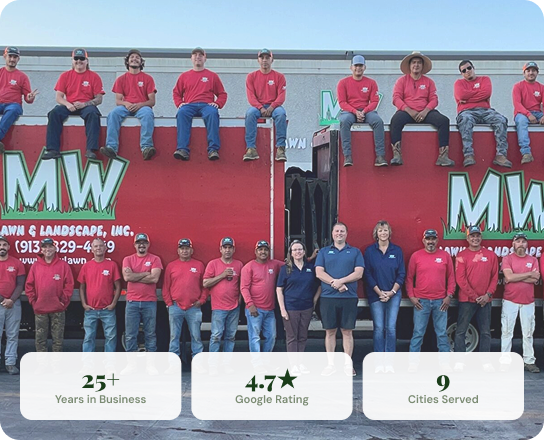
25+ years treating what actually works and steering you away from the traps and gimmicks that don’t.

We Know the Timing

Systemic protection has to go on weeks before the June emergence. We plan ahead so your plants are protected when the beetles arrive

No Traps, No Snake Oil

We won’t sell you a pheromone trap that draws more beetles in, or a neem spray that lasts three days. We use what works.

Licensed & Pollinator-Aware

Kansas-licensed applicators who follow the label including where products can’t be used and protect bees while treating your plants.

One Team, Beetles and Grubs

Adults on your trees and grubs in your lawn are the same insect. One local team handles both sides, on one plan.
How It Works

Protecting Your Plants is Simple

Three steps to healthier trees from the roots up.

Request a Quote

Fill out the form or call 9138294949 . Tell us what’s being eaten and we’ll plan the right treatment and timing.

We Treat the Right Way

Systemic protection ahead of the season for valued plants, targeted sprays for active beetles applied responsibly around pollinators.

We Cover Both Stages

We protect your trees and shrubs now and flag whether your lawn needs grub control for the larvae later.

faq

Common Japanese Beetle Questions

What homeowners in Olathe and Johnson County ask us about Japanese beetles.

Still Have Questions?

Still Have Questions? Call our team or submit a quote request we’re happy to answer anything before you book

How do I get rid of Japanese beetles?

For plants you care about, the reliable approach is a systemic treatment applied ahead of beetle season, so the protection is inside the plant when the adults arrive, combined with targeted sprays to knock down active swarms. What doesn’t work well: traps (they attract more beetles than they catch), and neem or soap sprays (short-term deterrents at best). Hand-picking beetles into soapy water helps on a few small plants early in the morning when they’re sluggish, but it isn’t practical at scale. We match the method to your plants and, importantly, to the timing.

Not the way you’d hope and this is one of the most important things to know. The pheromone traps sold at garden centers are extremely good at attracting Japanese beetles, which is exactly the problem: they lure far more beetles into your yard than they actually catch, and the extras feed on your plants on the way in. Research from multiple university extensions is consistent on this. If your neighbor has traps, you may be getting their overflow. Our honest advice is to skip the traps entirely and protect the plants directly.

Earlier than most people think. Adult beetles emerge in mid-June and feed through July, but systemic treatments to protect trees and shrubs have to be applied weeks ahead of that it can take four to six weeks for the product to move up into the leaves of a large tree. So the planning happens in spring, before you see a single beetle. Contact sprays for active infestations are done when the beetles are present. Miss the systemic window and you’re left spraying, which is harder once a swarm is established.

Unfortunately, no and it’s a common and costly misunderstanding. It seems logical that fewer grubs in your lawn would mean fewer beetles on your trees, but adult Japanese beetles are strong fliers that travel long distances by some accounts up to 15 miles so beetles from all over the area fly into your yard regardless of what’s in your own soil. Grub control protects your lawn from root damage, which is valuable in its own right, but it will not protect your trees and shrubs from adult feeding. Those are two separate treatments for two separate problems.

Only a little, and only briefly. Neem oil acts mostly as an anti-feedant beetles land, taste, and tend to move on but the effect lasts just a few days and fades fast when beetle numbers are high, so it needs constant reapplication and still won’t hold back a real infestation. Insecticidal soaps and horticultural oils are even weaker against Japanese beetles. They’re not useless on a light problem with a couple of plants, but for protecting valued trees and shrubs, they’re not a substitute for a properly timed systemic or targeted treatment.

It can be, with responsible application and that’s the whole point of hiring it done right. The main concern is with systemic products on flowering plants, because they can end up in nectar and pollen, so we avoid treating bee-attractive plants while they’re in bloom and follow all label restrictions. Some products also can’t legally be used on certain plants linden trees are a notable example and knowing those rules is part of applying these treatments correctly. We treat in a way that protects your plants and the pollinators you want to keep.

Customer Reviews

What Our Lawn Care Customers Say

4.7 ★★★★★ · 180+ Reviews

Explore Our Complete Tree & Shrub Care

Japanese beetle control is one part of protecting your landscape. Here’s how it connects.

Related Services

Other Services We Offer in Olathe KS

Grub & Insect Control (Lawn)

The larval side of the same beetle grub control protects your lawn’s roots, a separate treatment from protecting your trees. Learn More →

Bagworm Treatment

The other destructive summer chewing pest with an even tighter treatment window on your evergreens. Learn More →

Deep Root Fertilization

A vigorous, well-fed ash handles treatment and stress better root feeding supports the trees we protect. Learn More →

Protect Your Plants Before the Beetles Arrive

Japanese beetles turn roses and trees to lace in days and the traps make it worse. Let MW Lawn & Landscape protect your plants the way that works, timed ahead of the swarm and applied around your pollinators. Free quote, no pressure.